
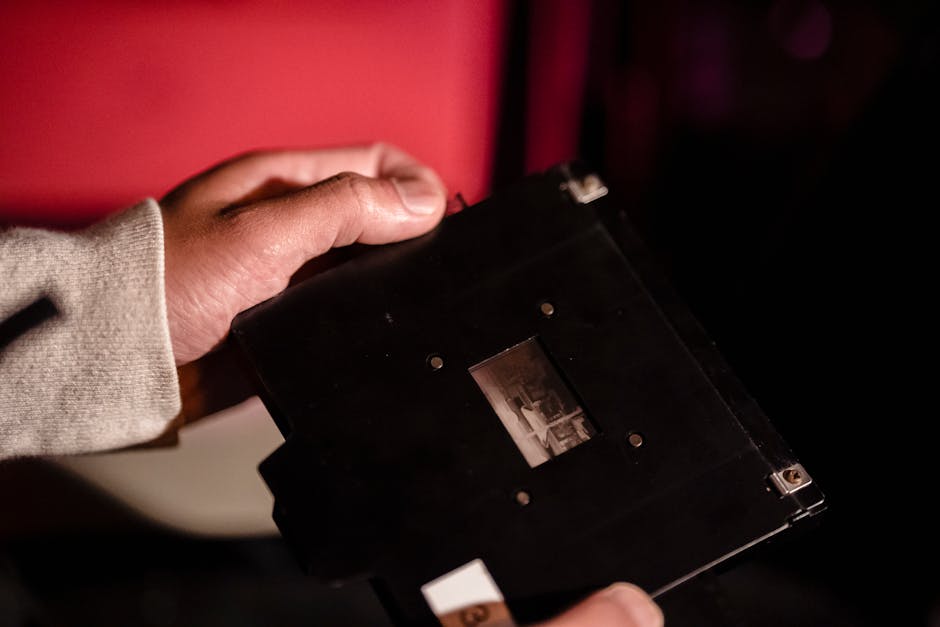
Film editing is a vital component of the filmmaking process, shaping the final narrative and enhancing the overall viewing experience. Through the careful selection and arrangement of shots, editors craft a compelling story that resonates with audiences.
The Role of the Editor
Editors work closely with directors to bring their vision to life. They are responsible for selecting the best takes, determining the pacing, and ensuring continuity throughout the film.
Techniques in Film Editing
Various editing techniques, such as cuts, fades, and transitions, are employed to create a seamless flow between scenes. The choice of technique can significantly impact the mood and tone of the film.
Pacing and Rhythm
The pacing of a film is crucial in maintaining audience engagement. Editors manipulate the timing of scenes to build tension, create suspense, or provide relief, contributing to the overall rhythm of the narrative.
Storytelling through Editing
Editing allows filmmakers to control how information is revealed to the audience. By rearranging scenes or using flashbacks, editors can enhance storytelling and deepen character development.
Sound Editing
Sound editing is an integral part of film editing that complements visual elements. The use of sound effects, dialogue, and music enhances the emotional impact and immerses viewers in the story.
Collaboration with Other Departments
Editors collaborate with various departments, including cinematography and sound design, to ensure that all elements work harmoniously to support the narrative.
Conclusion
The art of film editing is essential in crafting a compelling narrative that captivates audiences. Through skillful techniques and collaboration, editors play a pivotal role in bringing stories to life on screen.
Meta Description: Discover the art of film editing and how it contributes to crafting compelling narratives through techniques, pacing, and storytelling.
Keywords: film editing techniques, storytelling through editing, cinematic pacing, sound editing, film narrative